Postmortem
I have read a little bit of what people have been posting about this incident and a lot of the comments refer to other instances or deliveries and digress into focusing on the character and history of Capt McCormack. While I can see it’s tempting to damn the man in question I think that the most productive way to talk about the incident is to look at the facts or at least what we have been told happened and focus on how it could have been avoided as a learning opportunity. This is hard because the accounts of the boat owner and McCormack don’t support each other so we will have to imagine what really happened is somewhere in between these and direct our thinking toward how the sinking could have been avoided.
This event has many people in the sailing community up in arms and perhaps this makes sense. We humans have been looking to each other for guidance for a long time. We look to a person’s past to help us evaluate the worth of their opinion and capabilities. We do this as a shortcut to knowing them firsthand. With an aggregate of their documented successes, and failures we can find it easier to dismiss their competence or not. In an instance where we don’t know exactly what happened this helps us know if that person was likely at fault such as in a case like this. Unfortunately, the only public accounts of McCormack’s former jobs are edited by himself so this is not reliable either. To add to this the fuel of the indignation comes from a feeling that a captain should be infallible. This means leaders get a lot of criticism for the decisions they make for others to follow. This can be hard and maybe selects for people who have thick skins and are overly confident.
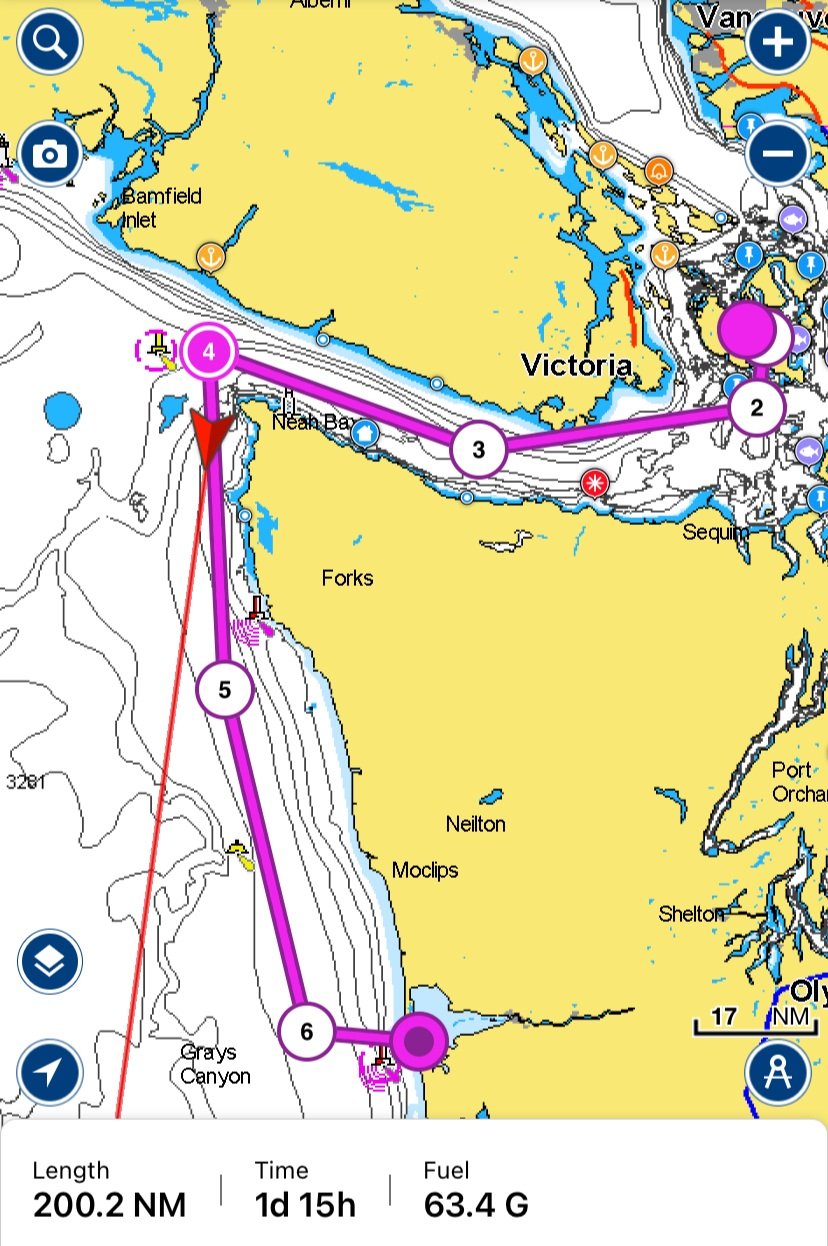
The first thing we know is the boat owner wanted to head to Mexico. She chose to go with a cruising rally renowned for its great parties and we may suppose that she sought safety in numbers rather than going independently. McCormack admitted in his account in the Lat 38 article that he weighed the deficiencies against this idea of safety in numbers. We also know the boat owner does not have offshore experience herself. She described herself as a newbie in the Lat38 write-up. We know as well that one of her crew left the vessel or for whatever reason decided not to go at the last minute. I would like to know about why and more generally how she chose her crew. She said she found McCormack’s Facebook page and was impressed by his experience. Another interesting aspect that puzzles me is why McCormack volunteered to help them sail the boat south. McCormack is a professional captain living as he says “paycheck to paycheck” and doing pro bono work in the field is rare. Another very important thing to point out at this stage is that even though McCormack did not have a per diem and a corresponding contract the fact that he received compensation for transportation puts him in somewhat of a professional position. When delivering boats and applying for riders insurance companies want to know if crew are being compensated. If they are they want to see that they are experienced. Another point to note is that as a captain whether you are paid or not you have an obligation to ensure that whatever vessel you are on you must do everything in your power to ensure its safe operation. McCormack said that he did not go through his normal procedure, before departure because he was not under contract for hire. This was a big mistake as we will see. He did however tell the crew because of his experience he would be in command. He also said that he does have an uncanny ability to know the seaworthiness of a vessel just stepping aboard and the boat owner said that he looked the boat over and gave it a green light but after the sinking, McCormack questioned the seaworthiness. The normal process of application to deliver a boat is to start with a survey. I don’t think this boat would have gotten a good enough evaluation to satisfy most insurance companies and certainly wouldn’t have been a boat I would deliver. That said the fact that the windlass didn’t work would have been enough to make me walk away regardless of a good survey. The windlass is an essential piece of safety equipment on a cruising boat of this size. Even with the lightweight anchor McCormack encouraged the owner to buy (there should already have been one onboard.) it would not provide adequate ground tackle to cruise or conduct safe passage in the waters they were intending to sail. I believe this was bad counsel on McCormack’s part.
The next issue was the charging/electrical one. Corrosion on the alternator terminal and corroded wires resulted in the batteries not charging and made them decide to turn around. Then once in the harbor instead of advising the owner to get a professional to ascertain the extent of the electrical issues, he enlisted one of the crew to make another wire lead. They left again and it sounds like they did not fix the issue but instead of turning around or because they were past the halfway point, they continued on. At this point, McCormack hooked the gasoline-powered generator to the battery charger on the AC side of the system, and it continued to blow breakers (running a gasoline power generator on deck underway is very unusual). This was done to continue powering the navigation system he was using on his computer down below and as I understand to continue using the autopilot or not. I'm not clear on this. There are mixed accounts of this. All this was going on while he was skirting the shore in 30 feet of water. When sailing close to any land whether your autopilot is working properly or not, you should have the ability to navigate from the helm, and if there is the possibility that you will lose power to the navigation electronics you should, if you’re not already, begin plotting your position on a paper chart. As I understand it there were no paper charts on the boat but apparently, the boat owner did have an iPad for navigation. It is not clear why it was not at the helm.
This is a list of the actions that in succession led to the sinking of the vessel as I understand it.
1-Leaving without a working windlass.
A windlass is a key part of the seaworthiness of the boat. If you can't sail out of trouble or motor out of trouble you stabilize the situation using the ground tackle. The lightweight “Fortress” folding anchor is a backup device and you don't count on using backup devices before you leave safe harbor. The fact that the windless didn’t work did not lead to the sinking but the fact that it didn’t work is indicative of the condition of the boat. The age of the wiring on this old boat did contribute to the sinking. I have learned that even though failing systems may not be related the fact that they are failing and require attention can lead to accidents. For example, it doesn’t take much imagination to see how a broken head could lead to a crew falling overboard.
2- Not hiring a professional to repair and diagnose the electrical systems and fuel problem.
To be a delivery captain on a boat of this size you have to be able to fix everything. That said when you are underway any attention from the captain that is taken away to navigating the boat is dangerous. There were several issues with the vessel that they were all aware of before they were out of the area where support and facilities were available. It’s one thing to discover issues underway and to “Jury rig” a repair but the float plan should be reassessed given the knowledge that the vessel is now less seaworthy.
3- Sailing close to the shore and not reefing
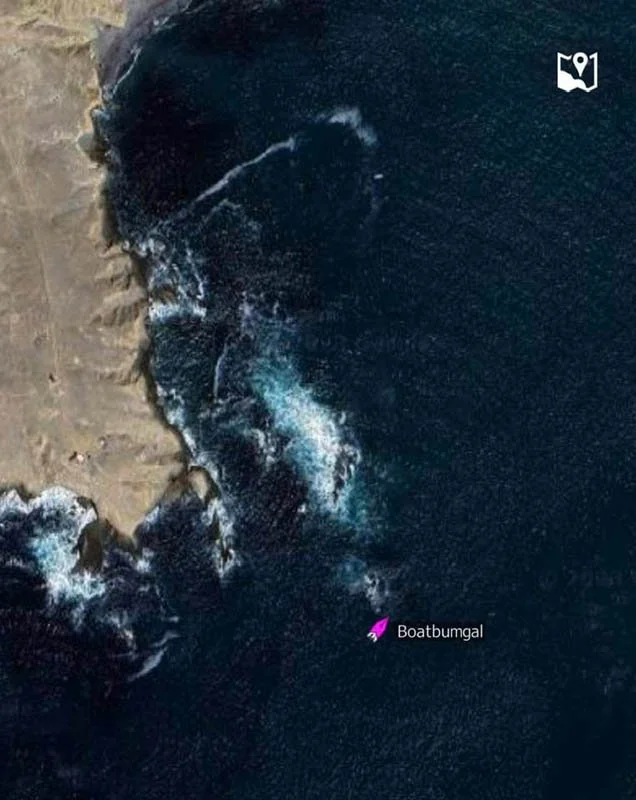
Sailing close to the shore in this case in 30 feet of water is very dangerous in unknown waters. This requires very close attention. It would require a plotter at the helm and hand steering with a depth alarm on with good visibility. That said there are mixed reports who was at the helm. McCormack gave a report the the Mexican officials that he was at the helm and then we heard that the third crew member was at the helm or at the shrouds.
4- Continuing to use the autopilot given the issues involved.
Whether there was an issue with the autopilot or not this is too close to hazards to do safety.
5- Not having a plotter at the helm
Every smartphone on the market can be used as a chart plotter these days and I see no reason that the crew could not have a phone with Navionics up in from of them as they are on watch. I require my crew offshore now to all have the app on their phones. This reduces fear and the “need to know basis” as well as adds redundancy. I monitor the boats heading from my bunk and often come on deck to make coarse or speed corrections.
6- Given all the things happening approaching in the dark was a bad idea.
Regardless of the boat’s faults, this wouldn’t have happened if they had waited to approach in the dark. This could have been done by slowing down or heaving to outside the entrance.
It is tempting to hang ALL the responsibility on the licensed captain here because of his experience and endorsement and I would say that most of it is. I’m sure most people will but it is not as simple as that. Before all the decisions I just listed should have been made by the person in command. Ray should have walked away from the passage or offered to oversee the vessel’s refit but I'm sure this would have been challenging to the relationship as the boat owner paid for his flight in exchange for his help sailing. This previous investment trap is a huge contributor to accents like this. If NASA can fall into it so can most.
This boat was not in good condition and certainly not in good enough condition to make a coastal passage and even more so to sail into waters with limited resources. The owner may protest and say that the vessel was in good condition (the statement in Lat38 said she “had the boat checked out by many mechanics and riggers”) but she has also admitted she is a newbie. It is common to seek safety in numbers or offset the risk of doing dangerous things with limited experience by joining a group like this rally but coastal and blue water sailing is one of the more remote things a modern person can do. It is something that few moderns can even wrap their minds around. The self-reliance this sailing demands is one of its greatest rewards. Preparing for a cruise like this often takes years of refitting and practice to be properly prepared. Once the time comes to cast off it should be done with a crew that represents known entities. A truly seaworthy vessel and crew must be shaken down first.
We can’t be too cautious in choosing who we sail with and what vessels we board. Going through someone’s Facebook profile does not constitute the due diligence necessary to choose the people we may find ourselves in a life raft with.
Hiring surveyors, certified techs, and instructors is essential alongside the time spent building our experience before advanced sailing.
I hope that everyone involved is not too quick to move on and spends the time necessary to reflect on their respective errors. Shirking responsibility with blame or just quickly moving on does not give this serious incident the grave attention it demands. This loss could have been prevented.
Here are some links that illustrate the risks the previous investment trap or sunk cost fallacy represents. #challenger, #endurance, #crowhurst,
https://facet.com/financial-wellness/escaping-the-trap-what-is-the-sunk-cost-fallacy-and-how-can-i-overcome-it/
https://youtu.be/4kpDg7MjHps?si=UHkemPWt91r4q-V5
https://youtu.be/yV7EBF8LAw8?si=bdrvIh1ZMm9hUPgj
https://youtu.be/4kpDg7MjHps?si=3h5COhu4x5WxxUyU
https://youtu.be/qvrEMhm3Z-g?si=ds6kUyFLYtJLpOFs
https://youtu.be/SiWv12EL4LE?si=VcI1PE_YjGzaQF2Z
And a good example of accountability in leaders and crew.
https://youtu.be/ljqra3BcqWM?si=hFrBfvg_8iepR7iM